Source Automatic Sunroof Motor for Volvo for Repair, Replacement, and Upgrades
Find reliable automatic sunroof motor for Volvo options among 30 available listings. Compare specifications, pricing, and warranty terms to identify suitable replacement parts for vehicle maintenance and repair needs; compare the available evidence and request quotations based on your requirements.
Key considerations
Products List
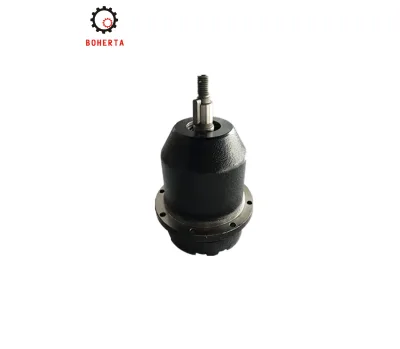
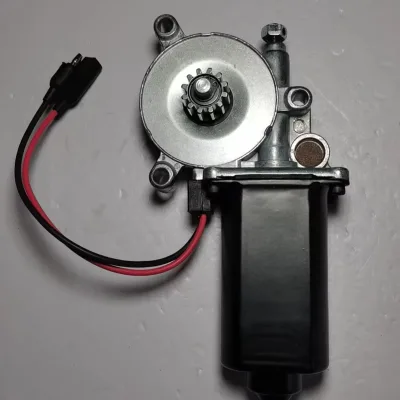
$20.00 - $23.00
Moq: 1
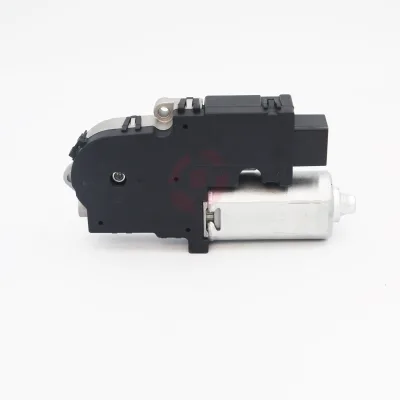
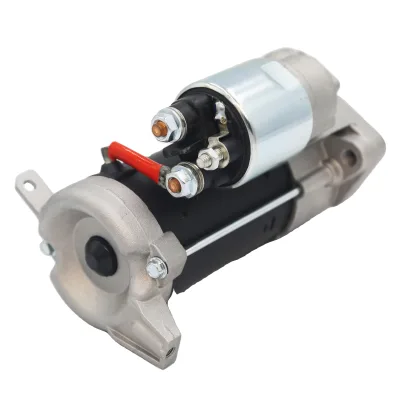

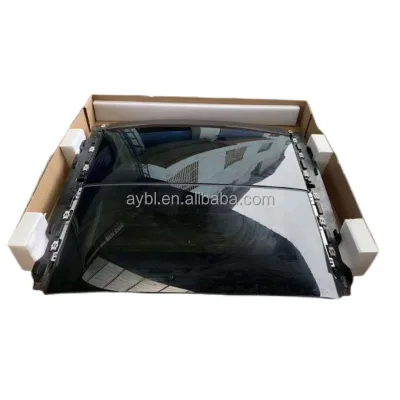


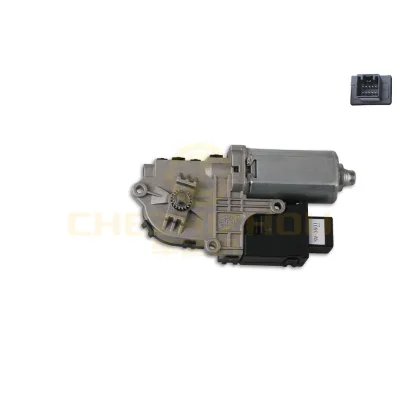
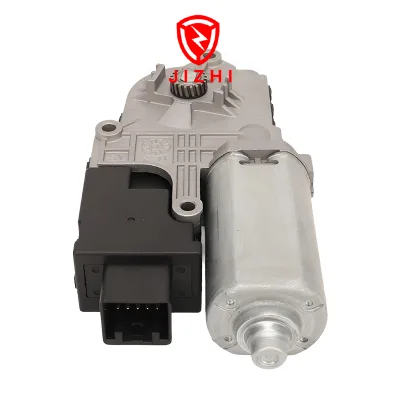


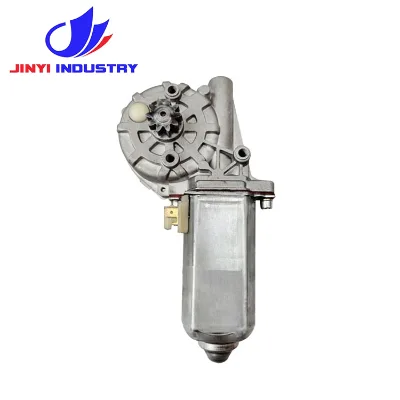

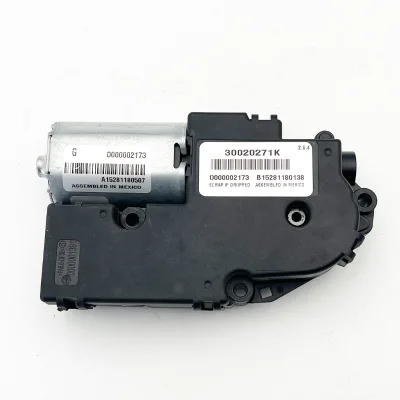


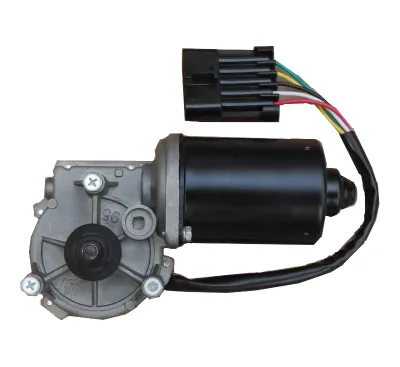

Comprehensive Sourcing Guide
Automatic Sunroof Motor for Volvo Sourcing Guide
Sourcing replacement components for premium vehicles requires a disciplined approach to verification and specification alignment. The market for automatic sunroof motors presents a complex landscape where generic listings often obscure critical compatibility details. Buyers must navigate through a high volume of suppliers who may list compatible parts under various model numbers or generic descriptions. This guide focuses on the specific requirements for identifying genuine or high-quality aftermarket solutions that meet the engineering standards of Volvo vehicles.
Procurement teams must prioritize accuracy over speed when evaluating potential suppliers. The core challenge lies in distinguishing between parts that are merely visually similar and those that are functionally identical to the original equipment. This involves rigorous cross-referencing of part numbers, electrical specifications, and mechanical dimensions. By establishing a clear framework for evaluation, buyers can mitigate the risk of receiving incompatible components that lead to costly returns or installation failures.
Product Scope and Observed Listing Signals
The current market landscape for automotive electric motors includes a diverse array of products ranging from fan motors to starter assemblies. Observations indicate that listings often feature generic model numbers such as 11116529 or 31442109, which may not directly correspond to specific Volvo sunroof mechanisms. Buyers should note that many suppliers list products with broad applications like "Car Part" or "Vehicles" without specifying the exact subsystem. This lack of specificity requires careful scrutiny to ensure the motor is designed for the precise torque and speed requirements of a sunroof actuator.
Price and minimum order quantity (MOQ) signals vary significantly across platforms, with observed ranges from $5 to over $1000 and MOQs from one piece to five hundred. These variations often reflect differences in manufacturing origin, material quality, and included warranties. For instance, some listings originate from Shandong or Jiangxi provinces in China, while others specify Zhangzhou, Fujian. Buyers must correlate these logistical details with the product’s stated condition, which is frequently listed as "New" or "100%-New," to assess the reliability of the supply chain and the authenticity of the components offered.
Technical Specifications to Verify
Verifying the technical integrity of an automatic sunroof motor begins with confirming the model number and physical dimensions. Buyers should cross-reference the supplier’s model number, such as 36010074 or 31442109, against official Volvo service manuals or OEM databases. It is crucial to verify the single package size and gross weight, as discrepancies here may indicate a mismatch in internal components or casing design. For example, a listed single gross weight of 0.0 kg is a clear data error that warrants immediate clarification from the supplier, whereas a weight of 3.5 kg might align with a heavier starter assembly rather than a lightweight sunroof motor.
Electrical and functional specifications are equally critical for ensuring proper integration with the vehicle’s control system. Buyers must confirm the motor type, whether it is a single-phase unit or another configuration, and verify the speed characteristics, such as constant speed operation. The presence of certifications like ISO/TS16949 suggests a manufacturing process aligned with automotive quality standards, but this must be validated against the specific part’s performance data. Additionally, checking if the product supports custom logos or OEM specifications can help determine if the supplier is capable of producing parts that meet exact engineering tolerances.
Compliance and Safety Documentation
Compliance with automotive safety standards is non-negotiable when sourcing electric motors for vehicle integration. Buyers should request documentation that proves the motor meets relevant international and regional safety regulations, such as those governing electrical insulation and thermal protection. While some listings mention ISO/TS16949 certification, this primarily addresses the quality management system of the manufacturer rather than the specific product’s safety compliance. Therefore, it is essential to ask for test reports or certificates that specifically validate the motor’s performance under load and its resistance to environmental factors like moisture and vibration.
Warranty terms serve as a critical indicator of supplier confidence in their product’s durability. Most observed listings offer a one-year or twelve-month warranty, which provides a baseline level of protection for the buyer. However, the scope of this warranty must be clearly defined, including whether it covers labor costs for installation or only the replacement of the defective unit. Buyers should also verify the return policy and the process for claiming warranty support, ensuring that the supplier has a reliable mechanism for handling defects without causing significant operational delays for the end customer.
Cost Drivers and Commercial Terms
The total cost of ownership for an automatic sunroof motor extends beyond the unit price to include shipping, customs, and potential rework expenses. Observed shipping methods include air, sea, and express delivery, each with distinct implications for lead time and cost. For urgent repairs, air express delivery may be necessary despite higher costs, while bulk purchases might benefit from sea freight to reduce per-unit expenses. Buyers should calculate the landed cost by factoring in these logistics expenses, as well as any potential tariffs or duties associated with importing automotive parts from China.
Commercial terms such as payment methods, packaging, and customization options also influence the overall procurement strategy. Neutral packing is commonly offered, which can be advantageous for private label distribution but may lack the branding assurance of OEM parts. Some suppliers support custom logos and OEM specifications, which can be valuable for maintaining brand consistency in aftermarket sales. However, these customizations often come with higher MOQs and longer lead times, so buyers must balance their need for customization against their inventory turnover requirements and cash flow constraints.
Supplier Qualification and Quality Control
Evaluating supplier qualifications requires a multi-layered approach that goes beyond surface-level listing details. Buyers should verify the supplier’s business license, manufacturing capabilities, and history of exporting to the automotive sector. The presence of a specific place of origin, such as Shandong, Jiangxi, or Fujian, can provide insights into the local industrial ecosystem and the supplier’s access to raw materials like steel. However, geographic location alone is not a guarantee of quality, so direct communication with the supplier to discuss their quality control processes is essential.
Quality control measures should be explicitly defined in the procurement agreement, including incoming material inspections, in-process checks, and final product testing. Buyers should inquire about the supplier’s defect rate and their procedures for handling non-conforming products. Additionally, requesting samples before placing a bulk order allows for physical inspection of the motor’s build quality, including the finish, connector integrity, and labeling accuracy. This hands-on verification step is crucial for identifying potential issues that may not be apparent from product descriptions or images alone.
Long-Term Procurement Checks
Establishing a long-term procurement strategy involves continuous monitoring of supplier performance and market trends. Buyers should track key performance indicators such as on-time delivery rates, product defect rates, and responsiveness to customer inquiries. Regular audits of the supplier’s quality management system can help ensure that they maintain consistent standards over time. Furthermore, staying informed about changes in automotive technology and Volvo’s part number updates is vital for ensuring that the sourced motors remain compatible with newer vehicle models.
Building a resilient supply chain requires diversifying suppliers and maintaining open lines of communication. Buyers should avoid relying on a single source for critical components, as this increases vulnerability to supply disruptions. Developing a relationship with multiple qualified suppliers can provide flexibility in pricing and availability. Additionally, implementing a feedback loop with end-users or technicians can provide valuable insights into the real-world performance of the motors, allowing for continuous improvement in the selection and specification of future purchases.
FAQs
What is the warranty period for these replacement motors?
The warranty period is typically 1 year or 12 months for these replacement motors. This coverage applies to new condition units sourced from China. Buyers should verify specific terms with the supplier before purchase to ensure the warranty covers the intended repair or replacement purpose effectively.
Can I get custom logos on these motor assemblies?
Yes, custom logos are available for these motor assemblies. Suppliers support branding requests for bulk orders. This customization option allows buyers to maintain their brand identity while sourcing high-quality replacement parts. Confirm the minimum order quantity required for logo application with the specific manufacturer.
What is the minimum order quantity for these parts?
The minimum order quantity varies, with some listings requiring 1 piece and others requiring 5 pieces. This range allows for both single replacement purchases and small bulk orders. Buyers should check the specific MOQ for their chosen supplier to ensure their order meets the minimum threshold.
How long does delivery take for these motors?
Delivery time is typically 7-15 days for these motors. Shipping options include air, sea, and express delivery methods. The exact timeline depends on the chosen shipping method and the supplier's current production schedule. Buyers should confirm the lead time with the supplier before finalizing the order.
Are these motors compatible with Volvo vehicles?
Yes, these motors are designed as replacement parts for Volvo vehicles. They are listed with specific OE numbers and model numbers to ensure compatibility. Buyers should verify the specific model number against their vehicle requirements to ensure the part fits their particular Volvo application correctly.
What certifications do these manufacturers hold?
Manufacturers often hold ISO/TS16949 certification for these automotive parts. This certification indicates adherence to quality management standards in the automotive industry. Buyers can request certification documents from suppliers to verify compliance. This ensures the parts meet necessary quality and safety standards for vehicle applications.